MCR Flight Units
March 17th, 2026
Author: Forrester Munroe Parlee VE7FPM

Empowering the future of amateur radio and digital communications
We’re excited to share a major milestone in the Modular CubeSat Radio (MCR) project: the design is done, the assembly of the flight models is now complete. The MCR has completed its three-unit flight hardware “production” run.
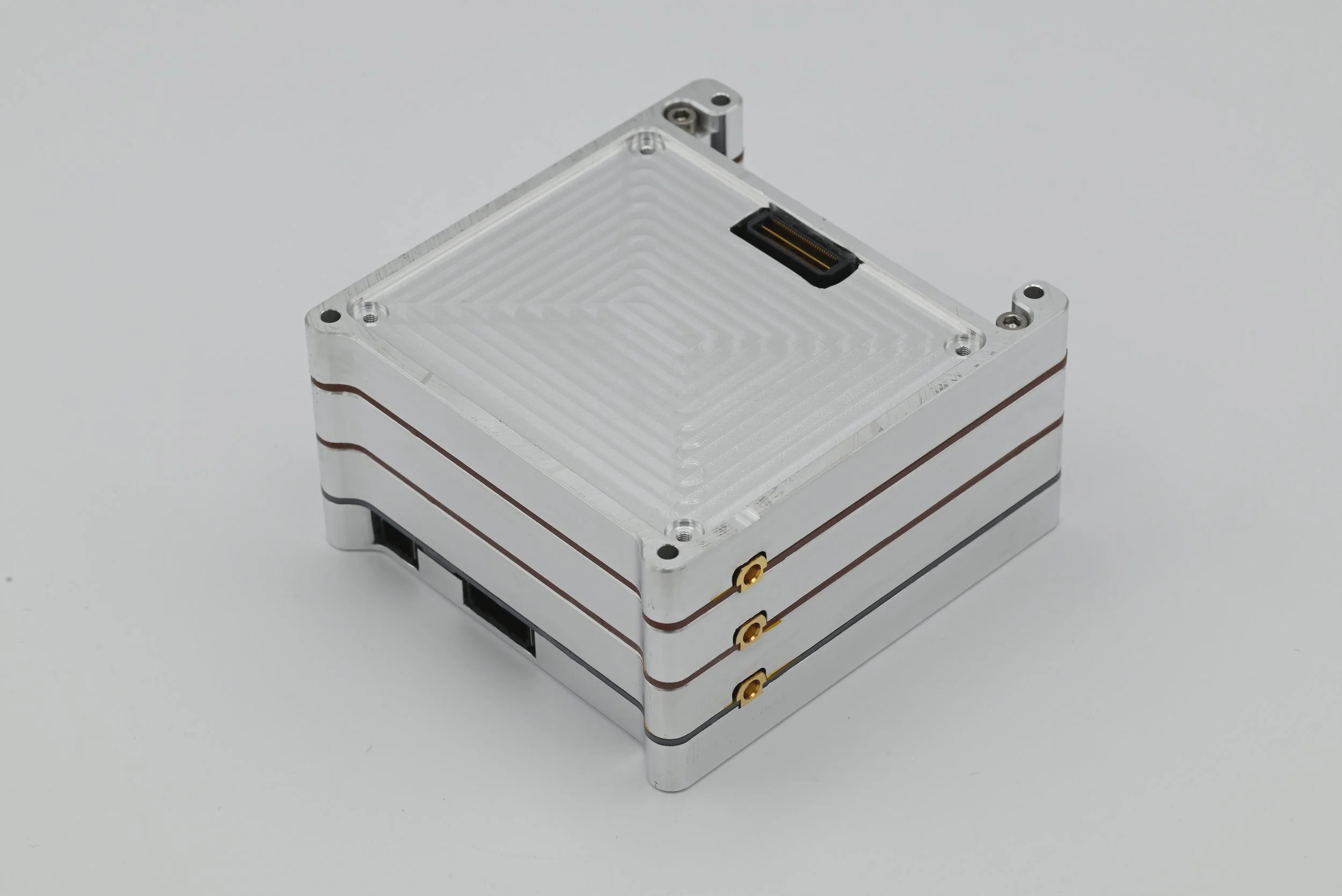
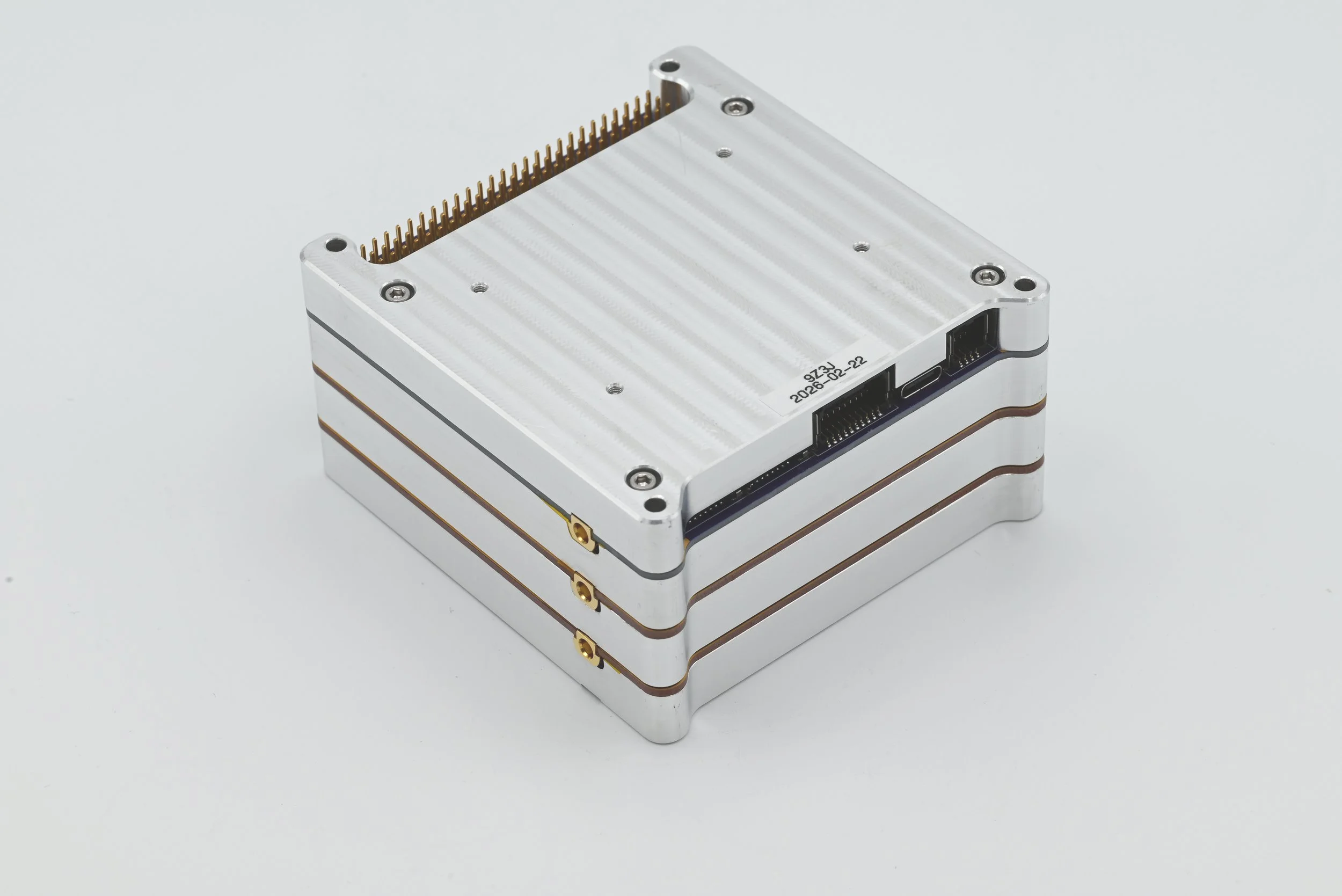
MCR Flight Revision Stackup Gallery
The flight model has undergone a full round of acceptance testing to confirm functionality against requirements. This process helps identify early-life failures and further builds confidence as integration of flight subsystems continues. Overall, the results met our expectations and provided confidence that the MCR architecture and assembly is fundamentally sound, while also demonstrating the successful transition from an engineering revision to a flight grade assembly.
In terms of updates from the engineering model, the flight model has been assembled with space-grade components replacing the commercial grade Printed Circuit Board (PCB) components wherever necessary. Architecturally, the frontends and the top of the core have the same aluminum enclosure that we'll be releasing with the module template; while the bottom of the core includes an enclosure sandwiching the Kria System on Module (SoM) component between aluminum heatsink plates screwed into the core. Having received the components, CNC-milled from aluminum in part by a University of Victoria Satellite Design student, the MCR flight stack has now been assembled in house within CfAR’s ISO 8 cleanroom facility.
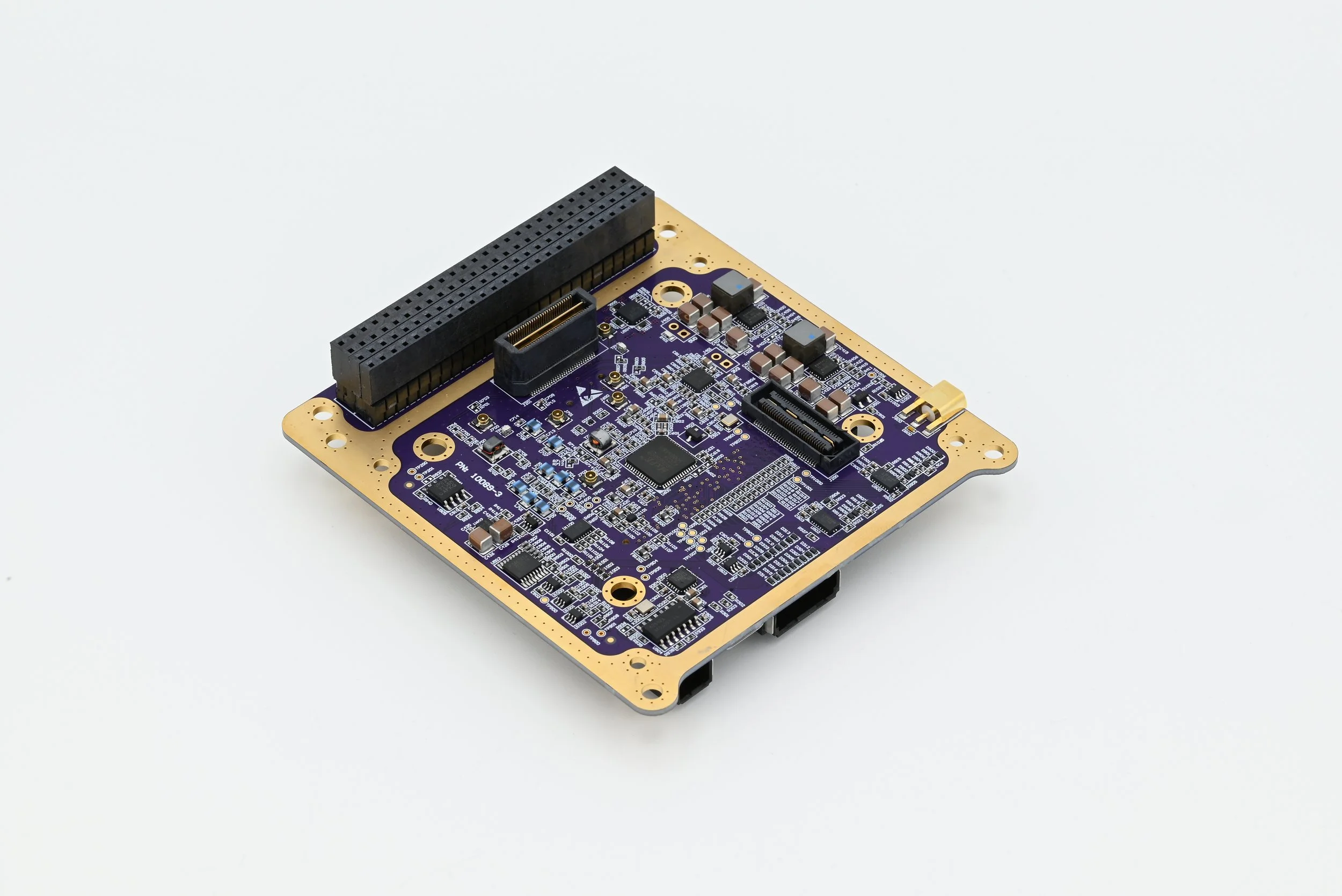
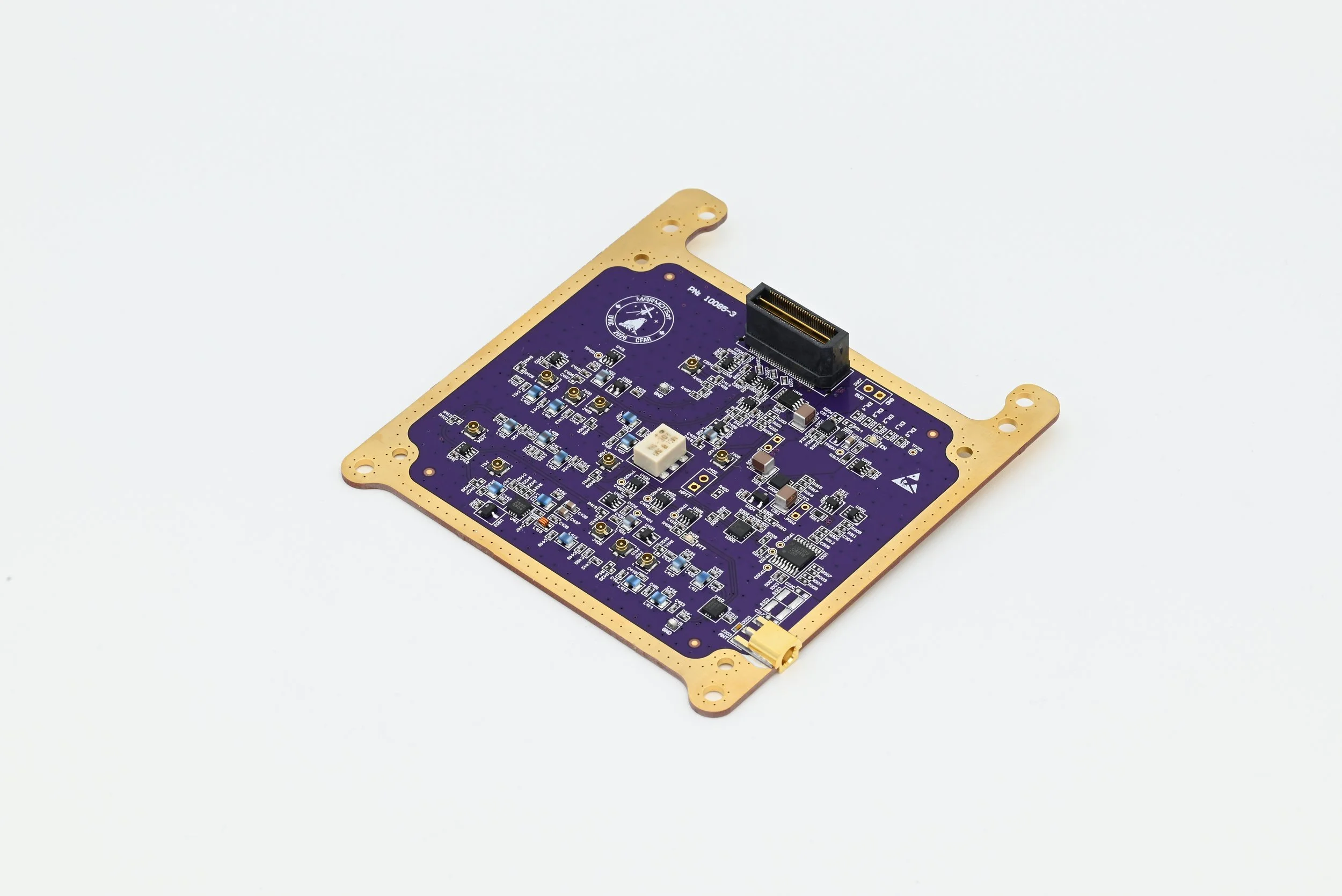
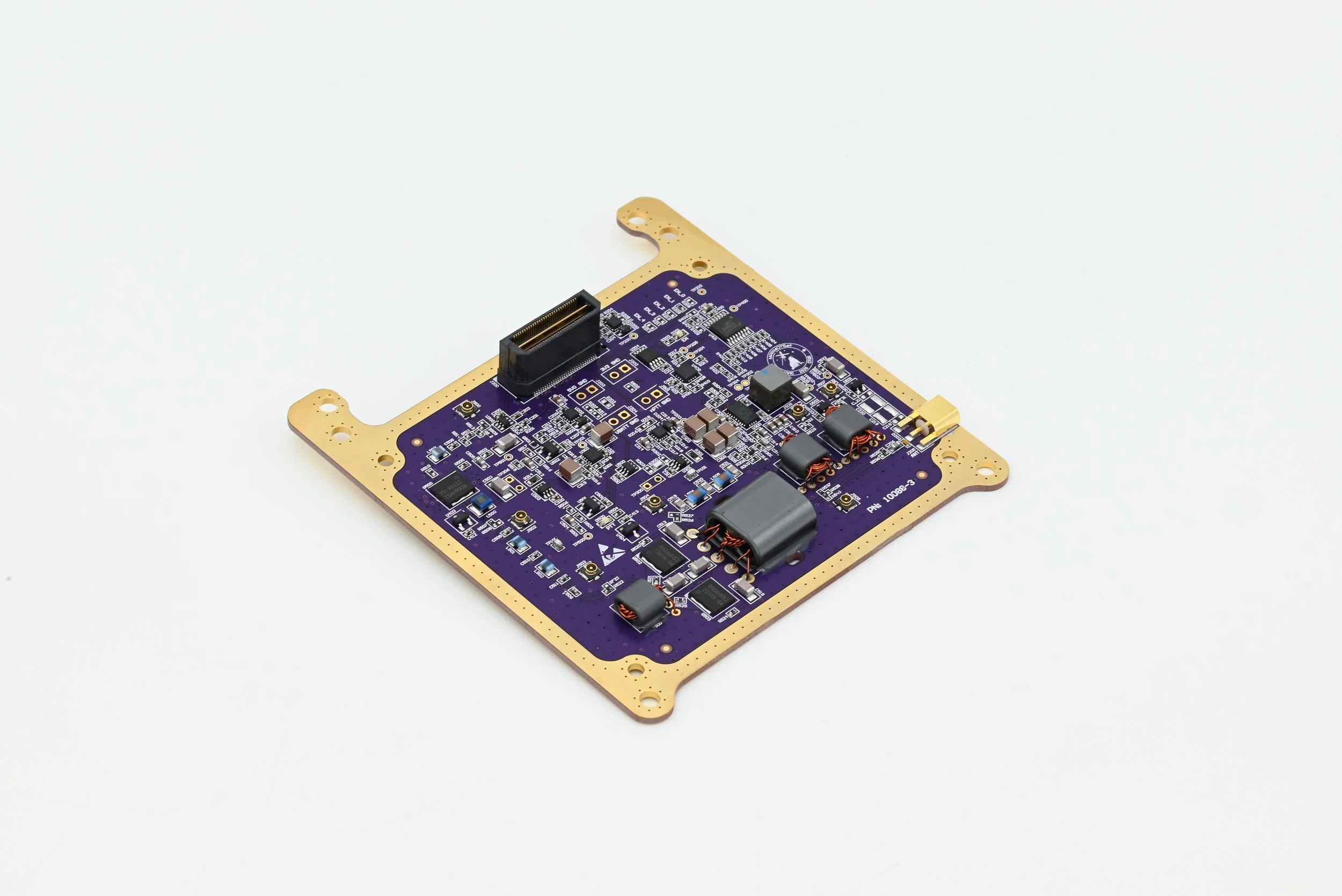
MCR Flight Revision Updated Components Gallery
With assembly and acceptance tests of the first MCR production model showing good results, the model is in the process of extended burn-in testing in a FlatSat configuration and fit testing in ProtoSat prior to integration into the flight spacecraft.
We continue to appreciate and benefit from the continued support of ARDC and the broader Amateur and CubeSat communities. The MARMOTSat team has made another step towards successful orbital operation of an open-access radio platform, and we’re looking forward to sharing more results as testing and integration is completed.
